
Indian Navy’s continuous surveillance
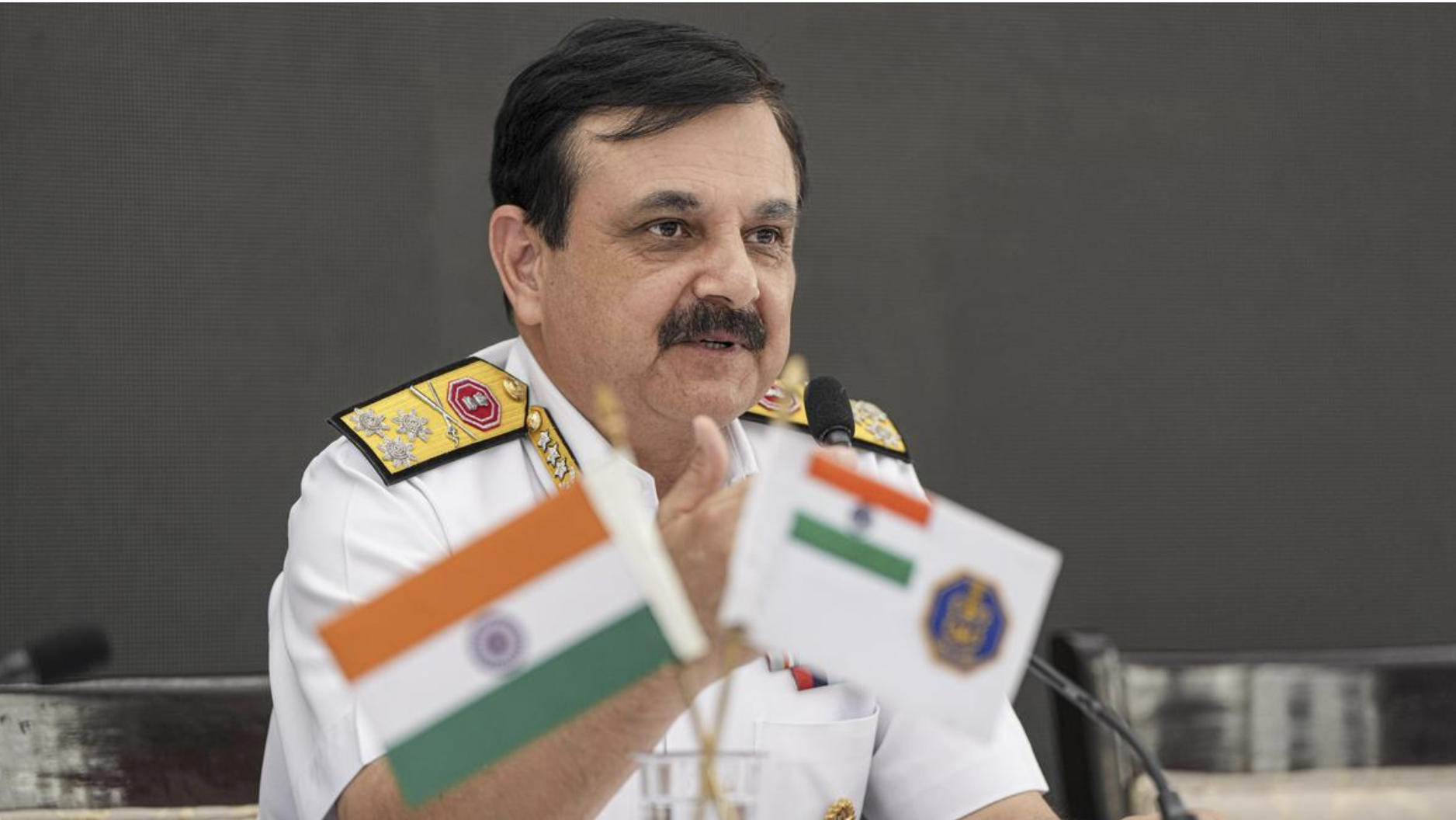
The Indian Navy is keeping a close, continuous watch on every Chinese vessel entering the Indian Ocean Region, including naval and research ships, Vice Chief of the Naval Staff Vice-Admiral Sanjay Vatsayan said.
“We are aware of what they are doing, when they come in, and when they go out,” he said, underscoring the Navy’s continuous surveillance of extra-regional powers operating in the region.
In September this year, reports emerged of the Chinese tracking vessel Yuan Wang-5operating in the Indian Ocean Region. Addressing the media, the officer emphasized that the Indian Navy remains fully alert and operationally prepared to meet any contingency.
“At any given point of time, between 40 and 50 foreign ships are operating in the Indian Ocean. We are aware of what they’re doing, what they’re likely to do, when they come in and go out, etc. Challenges remain, but the bottom line remains that the Indian Ocean is the main source of transit of goods and oil as far as the world is concerned,” he said.
Vice-Admiral Vatsayan was speaking at a curtain raiser in New Delhi for three major international maritime events — the International Fleet Review (IFR) 2026, Exercise MILAN 2026, and the Indian Ocean Naval Symposium (IONS) Conclave of Chiefs — to be held at Visakhapatnam from February 17–25, 2026. President Droupadi Murmu, as Supreme Commander of the armed forces, will review the International Fleet on February 18.
Highlighting the scale of participation, he said 55 countries, including the United States and Russia, have confirmed their attendance, making it one of the largest maritime gatherings in the region. “These events align with the MAHASAGAR vision of inclusive maritime growth and reflect India’s growing capability and self-reliance in defense,” he noted.
Vice-Admiral Vatsayan said the Navy continues to operate under Operation Sindoor and maintains flexible deployment based on threat assessment and operational needs. He added that the Indian Ocean remains a vital global trade artery, carrying the majority of the world’s oil and goods, and thus presents both traditional and non-traditional challenges, which the Navy remains fully prepared to tackle.
He confirmed that this year, 10 ships and one submarine have already been inducted, with four more ships expected to be delivered before the end of December. He further stated that 19 vessels are likely to be inducted next year, with most expected to be commissioned by December, and an additional 13 ships are anticipated for delivery to the Indian Navy the year after next.