
Budget shows slowing pace of fiscal consolidation
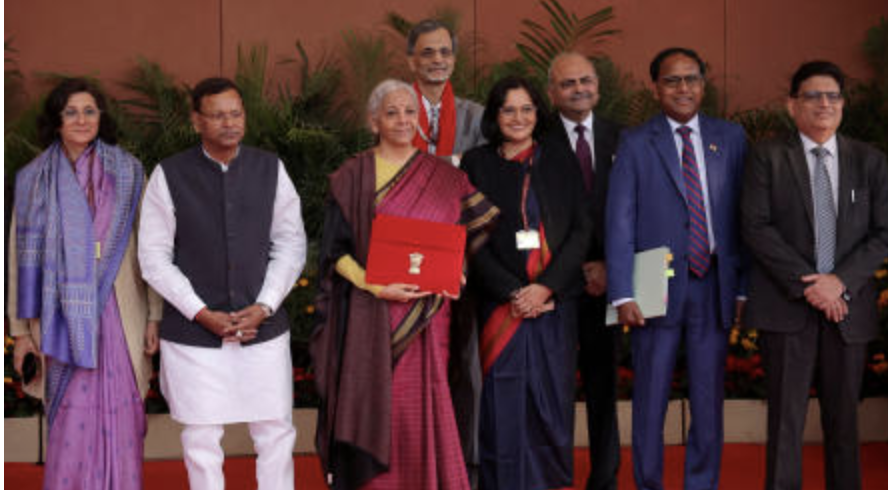
India’s annual budget is “broadly neutral” for growth in the world’s fifth-largest economy but shows a slowing pace of fiscal consolidation, Fitch Ratings said.
In its 2026/27 budget, the government will target a debt-to-GDP ratio of 55.6%, for a fiscal deficit of 4.3% of GDP,
Finance Minister Nirmala Sitharaman said, unveiling measures to bolster manufacturing amid a volatile global environment.
“The slowing pace of consolidation seen in India’s budget for fiscal year 2027 is in line with our view that further progress on deficit reduction is becoming more difficult without compromising more on GDP growth,” Fitch said in a statement.
Fitch and Moody’s Ratings both acknowledged the Indian government’s growing track record of fiscal consolidation but noted that the budget gap had widened more than in the years before the COVID-19 pandemic.
The quality of government finances has improved, however, Fitch said.
“Although the overall fiscal deficit is still higher than pre-pandemic levels, this reflects stronger capital expenditure spending, as the revenue deficit is narrower than pre-pandemic levels, even including previously off-budget spending,” it said.
“Still, general government deficits, debt and interest payments all remain elevated compared to peers and are only declining gradually.”
Fitch has a BBB- soverign rating for India, while Moody’s rates it Baaa3. S&P upgraded India to BBB in 2025 for its first such upgrade in 18 years.
The Indian government projects economic growth of 6.8% to 7.2% for the financial year beginning April 1.
Fitch sees the budget as neutral for growth.
“Strong GDP growth is driving positive momentum in several of India’s sovereign credit metrics and if sustained could improve the credit profile over time, even as lingering fiscal challenges remain,” it said.
Building on recent reform momentum should help accelerate private investment and improve the economy’s growth prospects, it added. (Reporting by Kashish Tandon in Bengaluru and Ira Dugal in Mumbai; Editing by Sonali Paul and Clarence Fernandez)